
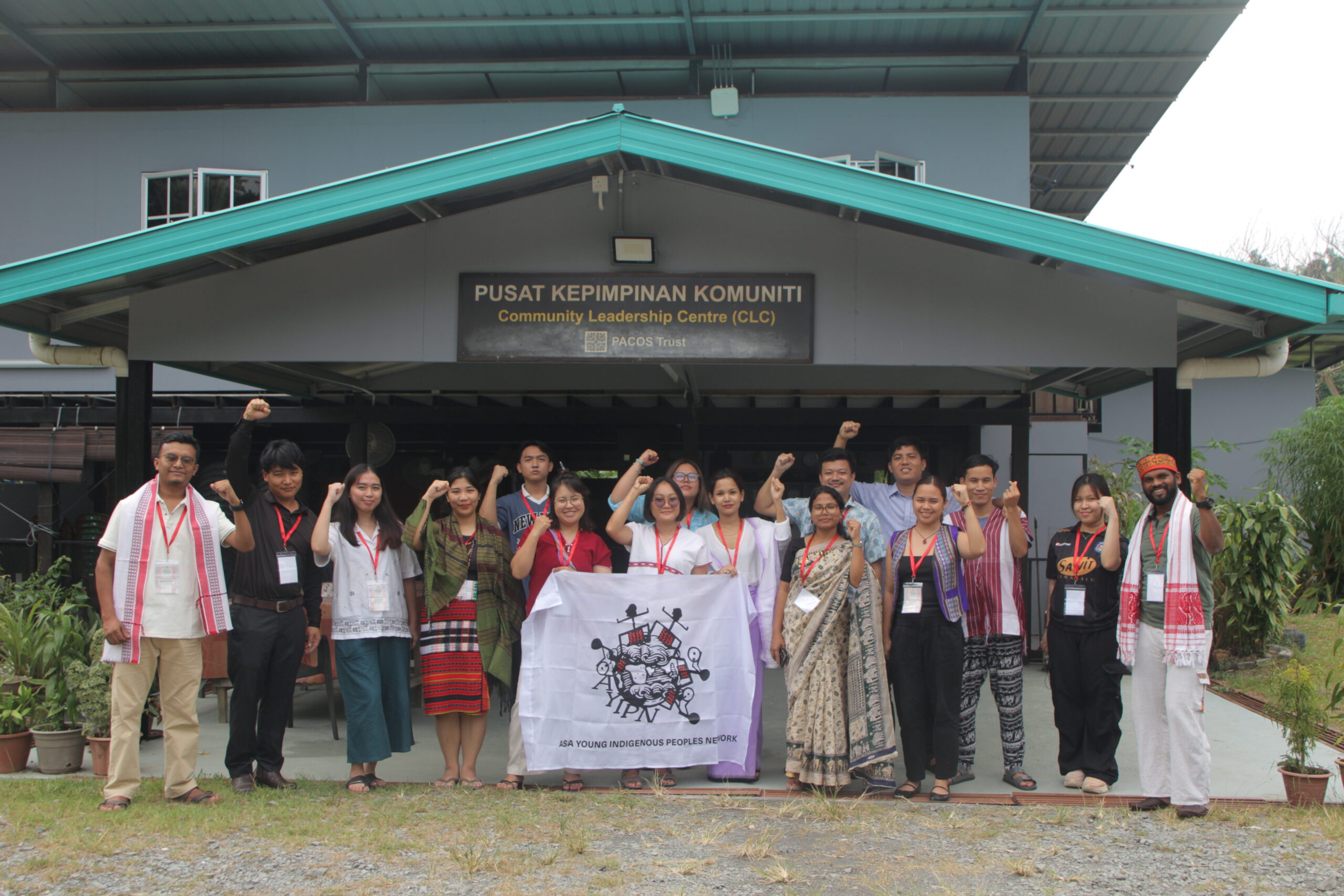
Sabah, Malaysia – Indigenous youth leaders and guardianship representatives from South Asia and Mekong Region have gathered in Sabah, Malaysia for the South Asia & Mekong Indigenous Youth Leaders and Guardianship Gathering from August 27 to 28, 2026. It is a 2-day assembly organized under Asia Young Indigenous Peoples Network (AYIPN), aimed at building indigenous youth capacities in rights advocacy and leadership training.
Hosted in an ancestral learning space, the gathering opened with welcome remarks from PACOS Trust Executive Director Anne Lasimbang, who emphasized the significance of learning within ancestral spaces and the deep relationship Indigenous Peoples maintain with their environment and communities. She reminded participants to value the space, learn continuously, and carry lessons from the gathering back to their communities.
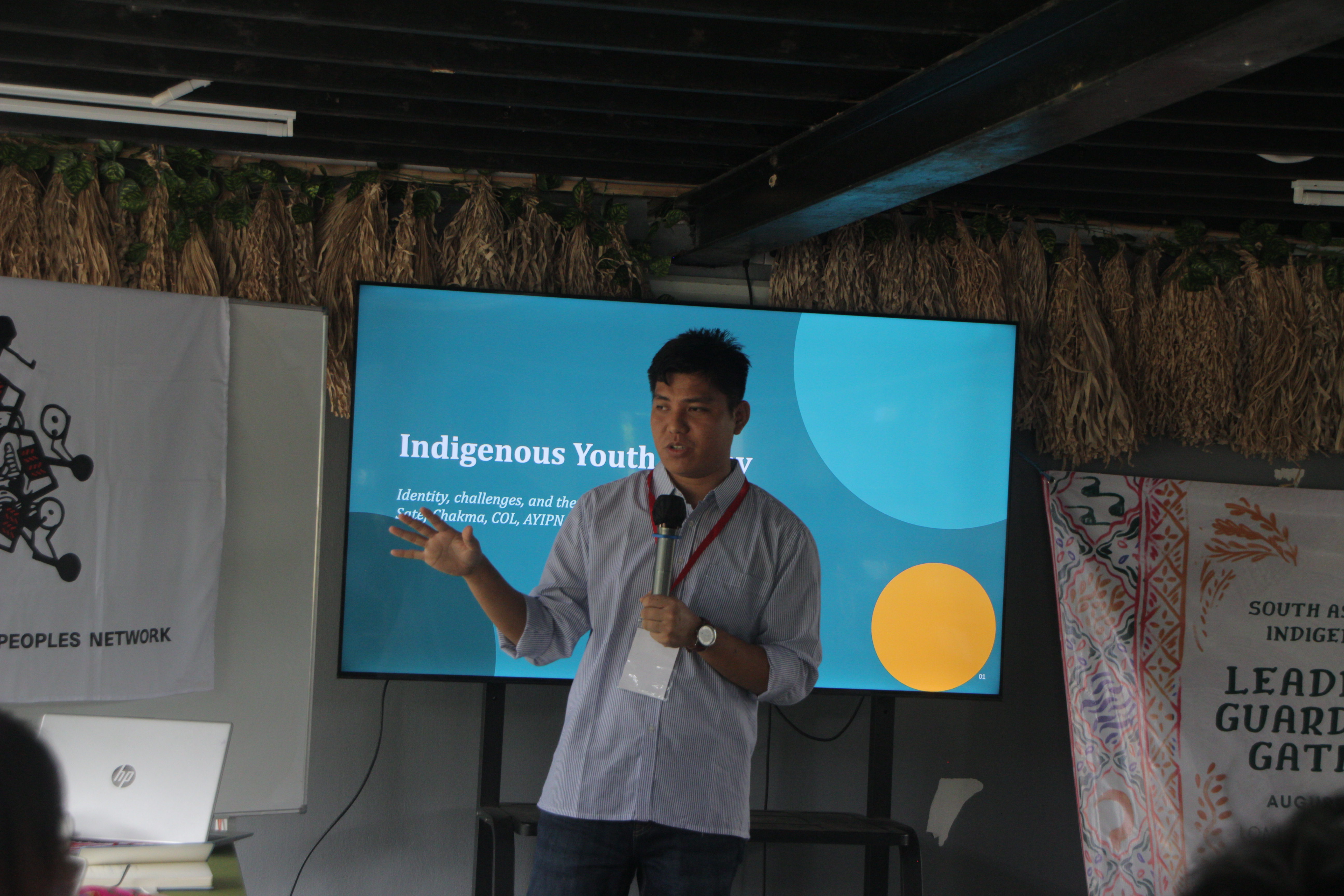
It was followed by a discussion delivered by Satej Chakma of the AYIPN Council of Member from Bangladesh and Asia Director of Land is Life about “Indigenous Youth of Asia: Our Identity, Our Task, Our Challenges”, where he outlined the shared characteristics of Indigenous Peoples across different contexts, ranging from self-determination to historical continuity of exclusion, spiritual relationship with the land, and the distinct systems of self-governance.
Additionally, problems faced by Indigenous youth were highlighted during the discussion. These included the lack of participation in decision making for their lands, tokenistic representation, criminalization, digital surveillance, and the need to sustain the future generations of Indigenous leaders. In response, young people are organizing grassroots movements, expanding cross-border alliances and having institutional representation across system.
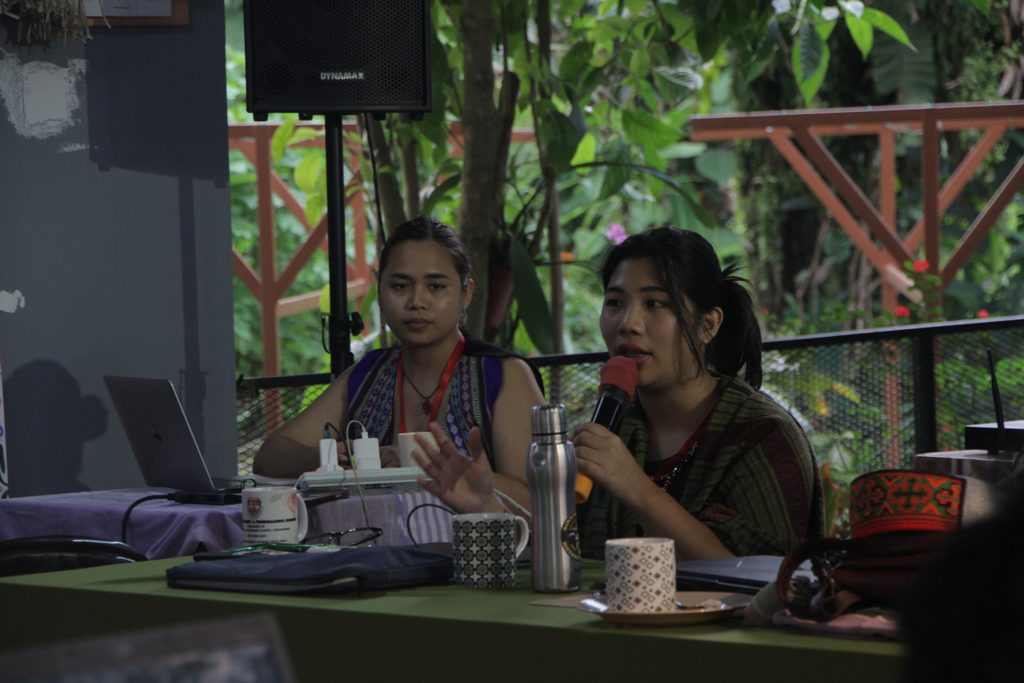
Moving forward, Funa-ay and Supriya led the review on the AYIPN-AIYP Joint Mechanism adopted in 2015, which seeks to strengthen coordination between the two networks, developing shared planning, strengthening youth participation, and fostering stronger collaboration among Indigenous youth across Asia.
Delegates from Nepal, Cambodia, Bangladesh, India, and Myanmar also shared their communities’ struggles and youth-led initiatives. Across the reports, common concerns emerged, including land displacement, unequal access to education and social services, cultural loss, limited political representation, militarization, and environmental degradation.
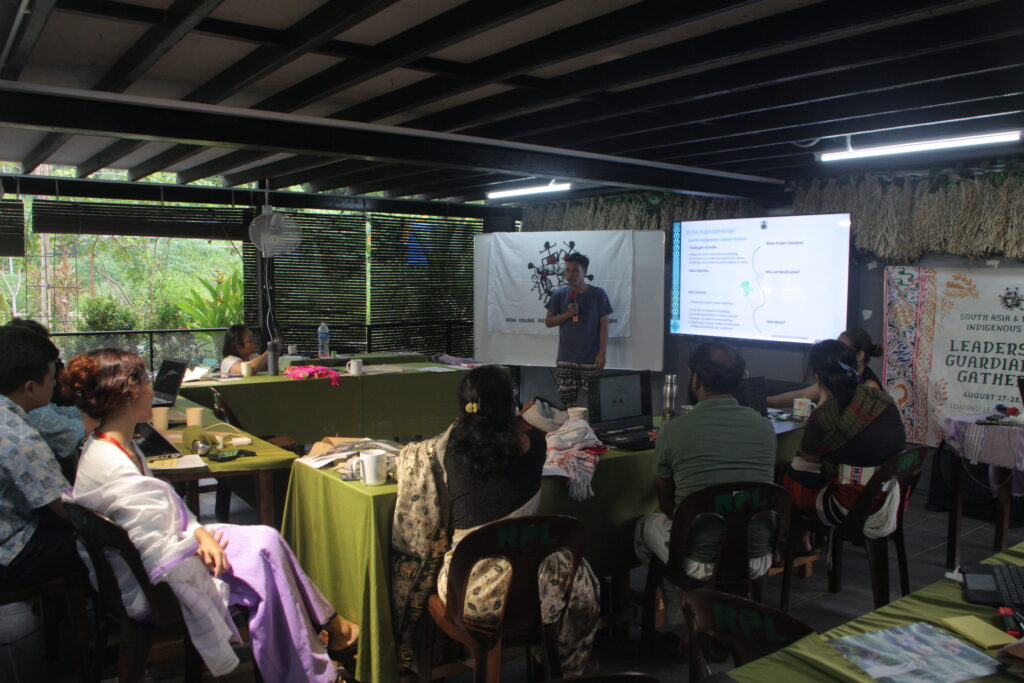
The Youth Federation of Indigenous Nationalities (YFIN) in Nepal continues with its initiatives of position papers, intergenerational knowledge transfer dialogs, community based practices and efforts to strengthen indigenous youth participation. Cambodia Indigenous Youth Association (CIYA) is also expanding its work in their country to combat these shared struggles, focusing more on Indigenous content creation to strengthen youth networks by conducting field documentation and cultural promotion.
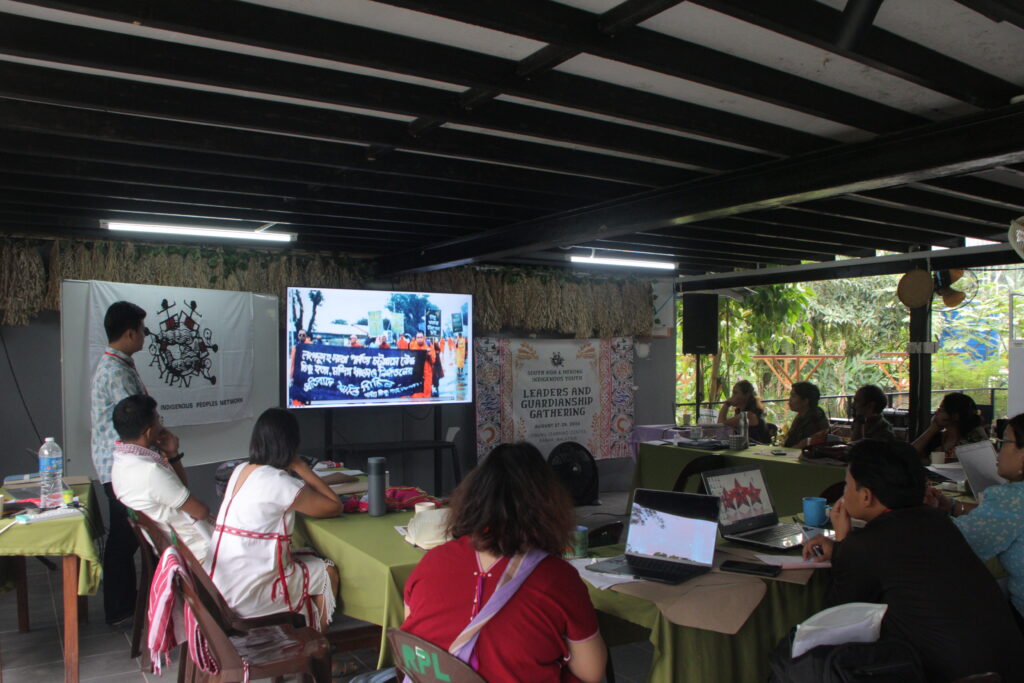
Meanwhile, Bangladesh highlighted its continued struggle in remote areas of the Chittagong Hill Tracts, alongside the pressure in limited mother-tongue education causing language and cultural loss. As a response, organizations are advancing their campaign on the full implementation of the Chittagong Hill Tracts Accord, which seeks to strengthen indigenous and land rights, as well as the recognition of the distinct identities and culture of Indigenous Peoples in the area.
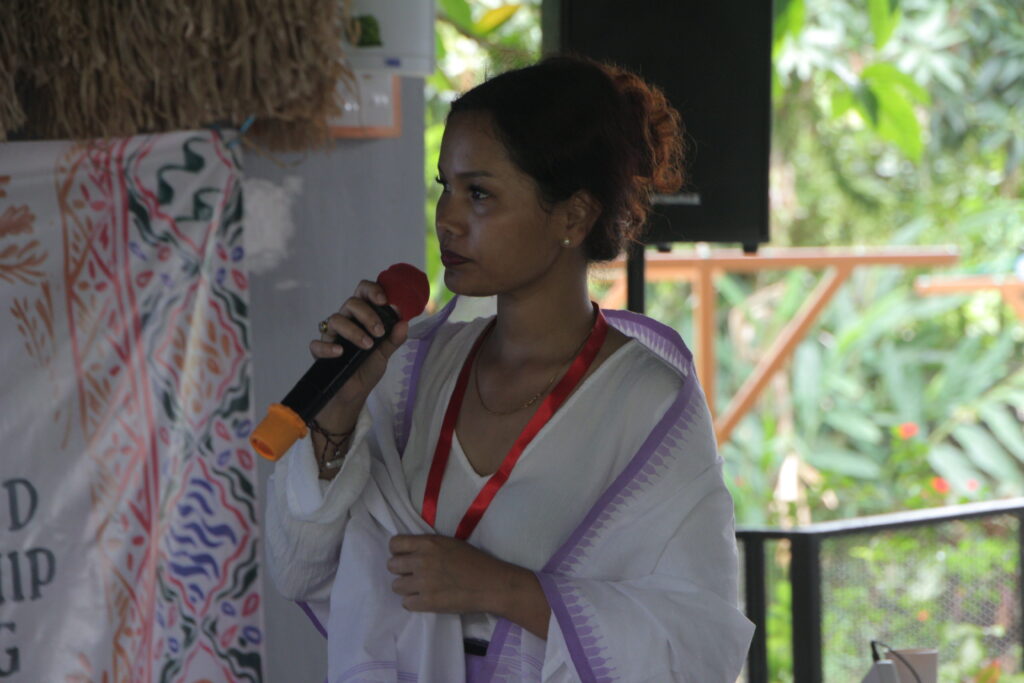
In Northeast India, issues revolve around resource extraction and a lack of consultation prior to infrastructure projects. Meanwhile, in Jharkhand, child trafficking, language endangerment, and migration are the primary problems faced by the community. As a response, India Indigenous Youth Network (IIYN) started conducting national convenings and state-level connections in the country where they implement capacity-building for emerging leaders whilst continuing grassroots organizing across their land.
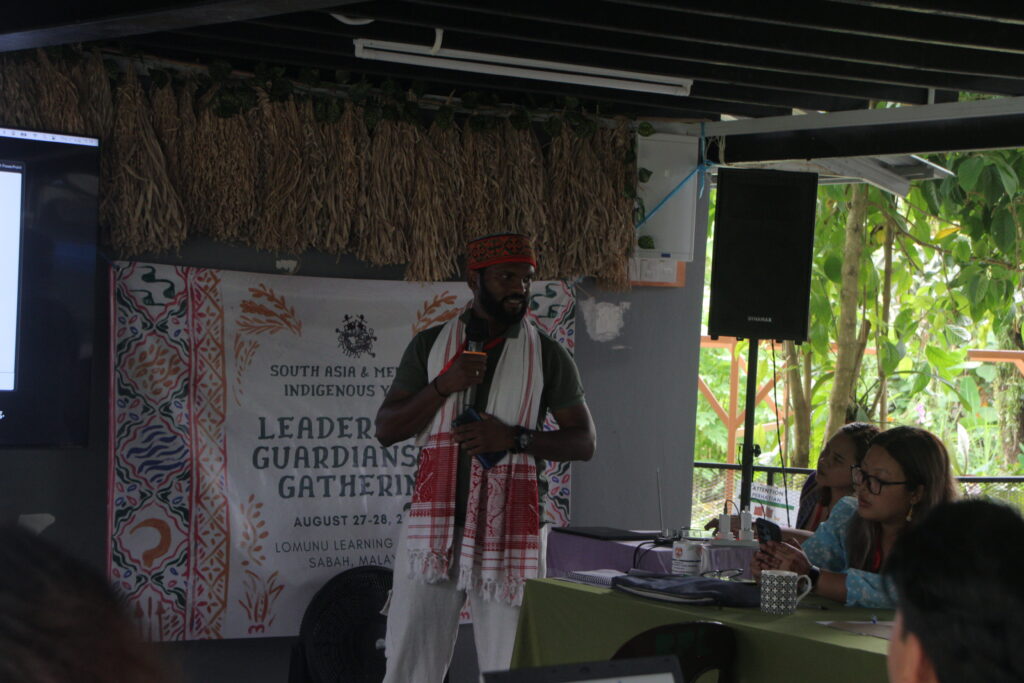
In Myanmar, the Karen Environmental and Social Action Network (KESAN) focused on working through a bottom-up, people-centered approach grounded in Free, Prior, and Informed Consent (FPIC). Through this mechanism, Indigenous Karen youth continually support access to land, water, forests, sustainable livelihoods, and environmental governance.
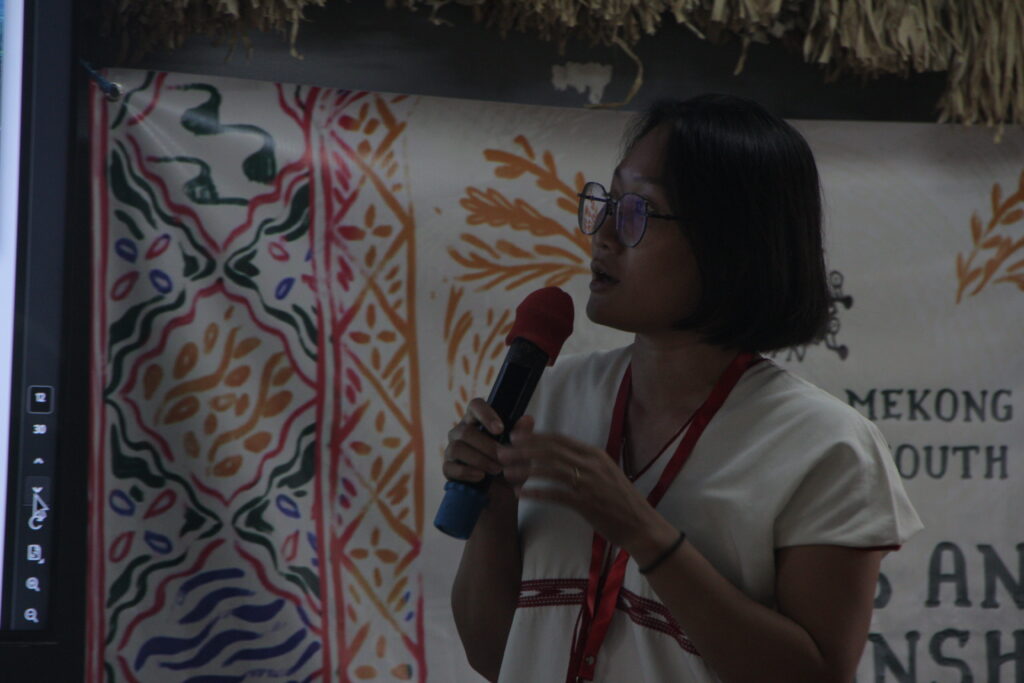
On the second day, the gathering moved from community realities toward a broader political analysis through the discussion of Funa-ay Claver on “Asia in the Crossroads: An Overview of the Region. It tackled Asia’s political and economic landscape and how regional economic cooperation, infrastructure, and resource-extraction projects can disproportionately affect Indigenous ancestral lands. The gathering then conducted a workshop where they worked in groups to identify the needs of their local organizations and how to strengthen the joint mechanism of groups across South Asia and the Mekong Region.
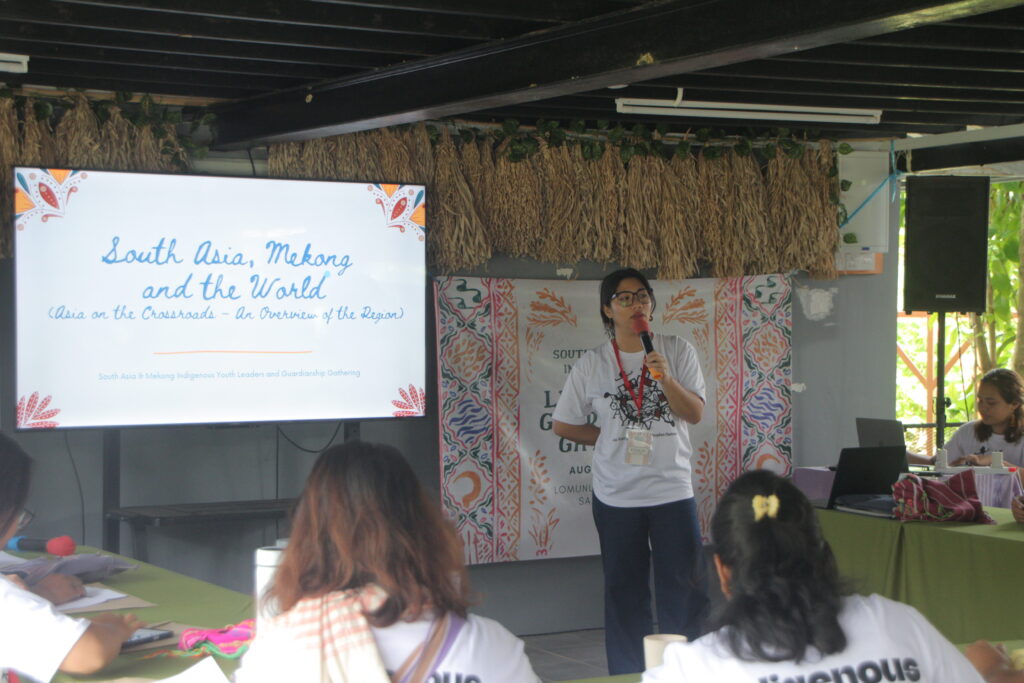
Various regional priorities were outlined, including the need for stronger training in documentation and legal literacy, more flexible funding mechanisms that reach grassroots communities, stronger digital security, the development of a Network of Indigenous Youth in South Asia, and a shared annual reporting mechanism to consolidate documentation. At the end of the event, commitments were pledged, including the strengthening and widening of indigenous youth organizing, as well as continuing to defend the rights of Indigenous Peoples at the grassroots level.
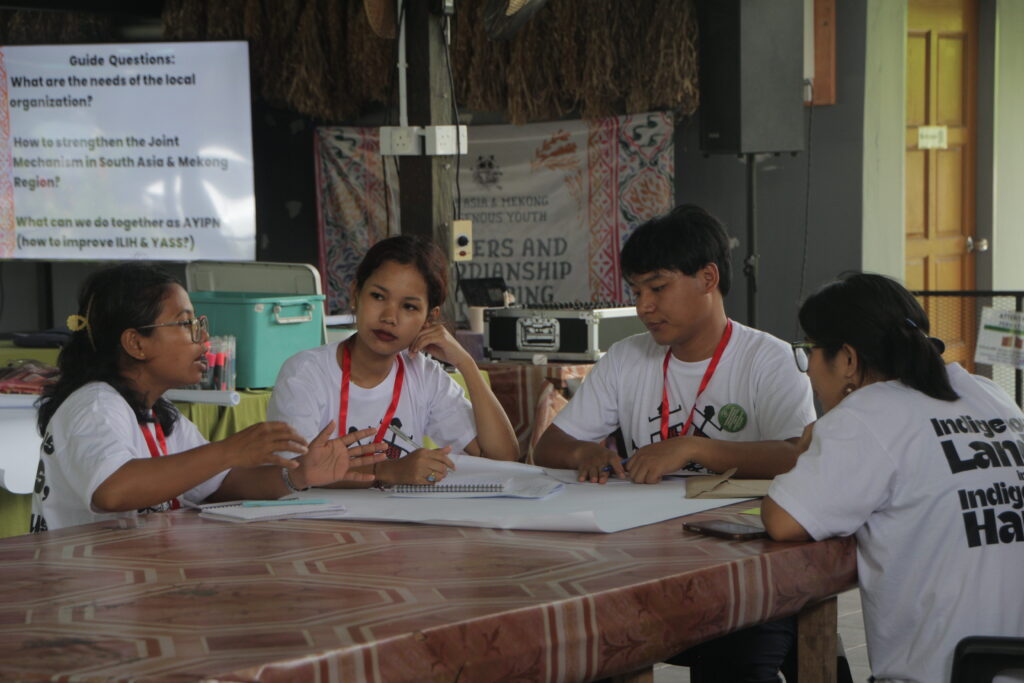
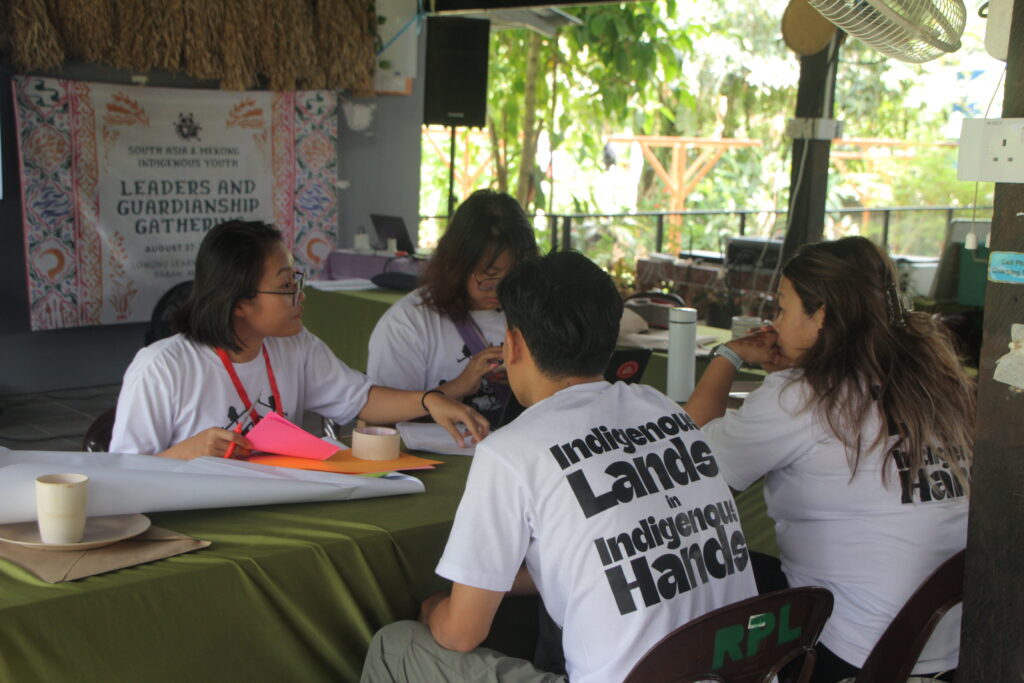
More than a gathering, the South Asia and Mekong Indigenous Youth Leaders strengthened a shared regional commitment among the youth to organize across borders and assert their rights to self-determination. As they return to their communities, they carry forward a unified vision for the future: Indigenous Lands in Indigenous Hands!
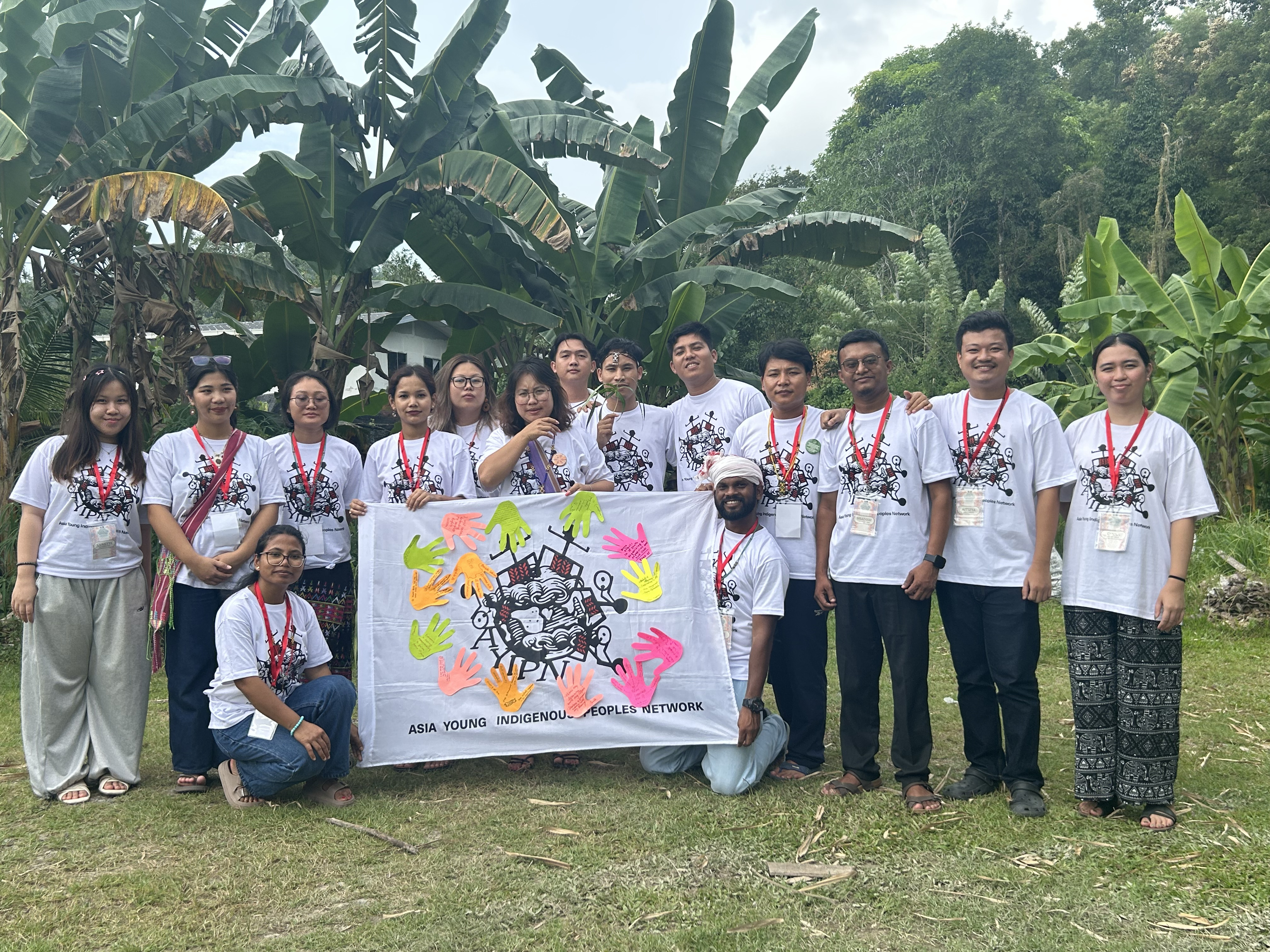
This gathering was made possible through the generous support of Pawanka Fund and Synchronicity Earth. Additionally, we would like to extend our gratitude to Asia Indigenous Peoples Pact (AIPP), PACOS Trust, and Asia Indigenous Youth Platform (AIYP) for their support and contributions in making this gathering possible.